
Table of Contents
End of the “Goldilocks” Economic Phase
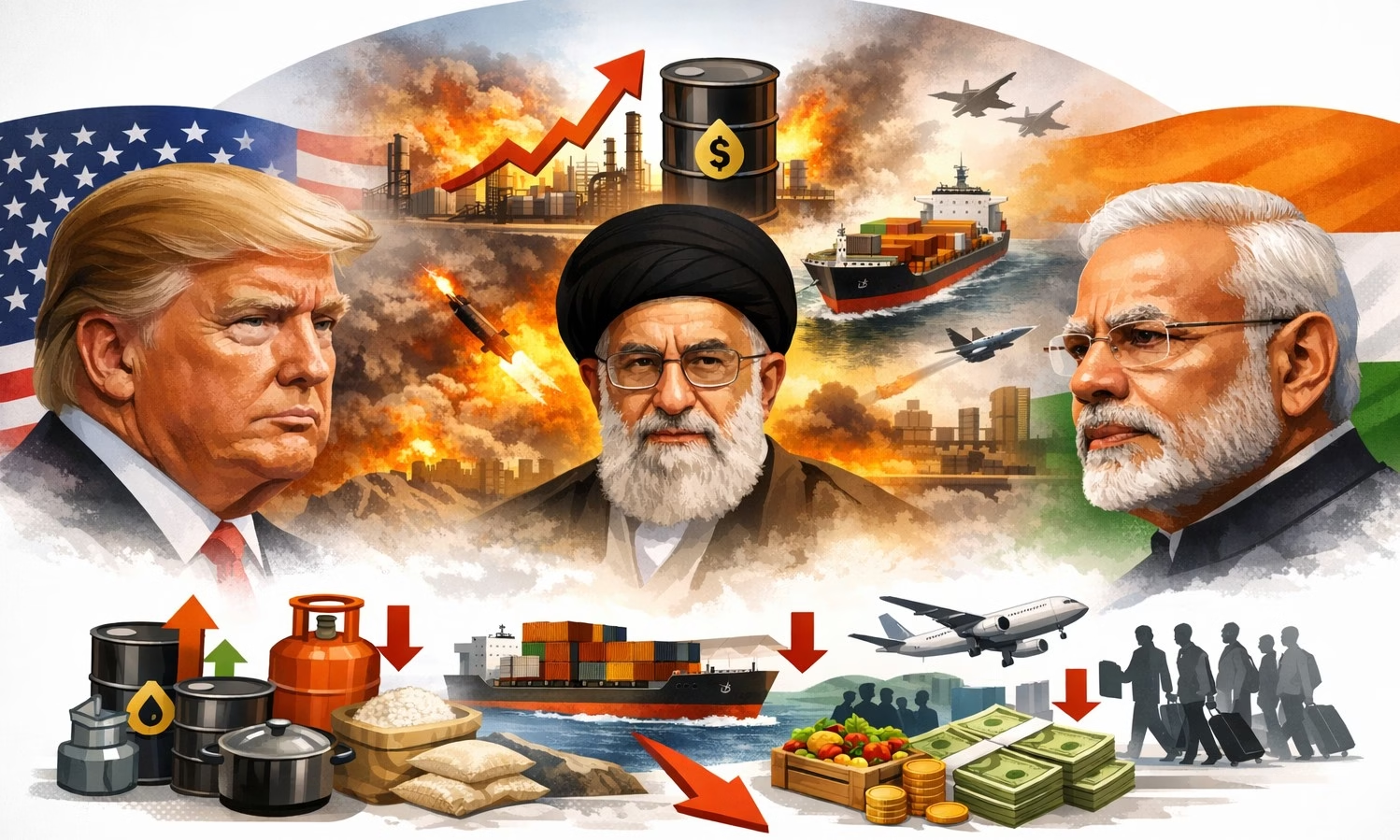
The eruption of high-intensity military hostilities between the United States, Israel, and Iran on February 28, 2026, has introduced a systemic shock to India’s economic architecture, abruptly ending a period of fiscal stability previously described as a “Goldilocks” scenario. Before the outbreak of Operation Epic Fury, India had projected a strong GDP growth rate of 7.2% for FY 2026–27, supported by inflation expected to remain below the Reserve Bank of India’s 4% target.
However, the escalation has forced a sharp reassessment, with major banks cutting growth forecasts to around 6.5% and warning that inflation could rise to 6% by late 2026. The Iran war impact on the Indian economy is being driven primarily by rising energy costs and disrupted trade routes.
Crude Oil Price Surge and Inflation Impact
The most immediate effect of the crisis is visible in global oil markets, where Brent crude prices surged by 50% in less than a week, rising from $80 to $120 per barrel. Since India imports about 88% of its crude oil needs, this sharp increase has placed immense pressure on the trade balance and current account deficit.
Analysts estimate that every $10 rise in crude prices increases inflation by 35–40 basis points and reduces GDP growth by 0.1–0.2 percentage points. The disruption of the Strait of Hormuz, through which nearly half of India’s crude imports pass, has further intensified energy security concerns.
Click on the picture below to Open Demat account with Zerodha

LPG Crisis in India and Household Impact
The LPG crisis in India has quickly translated into real-life challenges for over 330 million households. Weekly cooking gas inflows have dropped by nearly 30%, reducing the supply buffer from 30 days to just 10 days. The government has invoked the Essential Commodities Act to prioritize household consumption, but commercial users are facing supply cuts of up to 60%. This has raised concerns about the closure of nearly 10,000 establishments in Tamil Nadu and revenue losses in food service sectors across Bengaluru and Delhi.
For around 100 million beneficiaries of the Pradhan Mantri Ujjwala Yojana, rising refill costs and delivery delays risk pushing households back to traditional fuels.
Export Disruptions and Trade Deficit Pressure
Beyond energy, the conflict has disrupted India’s exports to West Asia, which accounts for about $11.8 billion in annual food trade. Basmati rice exporters are among the worst affected, with nearly 400,000 metric tonnes stuck at ports or in transit due to a more than 1000% surge in maritime insurance premiums. Perishable goods such as meat, bananas, and dairy products are also facing delays.
As a result, India’s merchandise trade deficit doubled to $27.1 billion in February. In response, the government launched the RELIEF scheme with a ₹497 crore outlay to support exporters, particularly MSMEs, through insurance and freight cost assistance.
Remittances from Gulf Countries at Risk
A major concern is the potential disruption of remittances from the 9.1 million Indians working in Gulf Cooperation Council countries. These workers send back between $50 billion and $118.7 billion annually, contributing around 3.5% of India’s GDP.
A prolonged conflict could lead to job losses in construction, hospitality, and oil sectors, potentially reducing remittance inflows by $5 billion to $10 billion each year. While the government has repatriated over 2.2 lakh citizens through Operation Sindhu, managing the larger diaspora remains a significant logistical challenge.
Stock Market Crash and Rupee Depreciation
The financial markets have also reflected the severity of the crisis. The BSE Sensex dropped by more than 4,000 points within a week, wiping out nearly ₹9.5 trillion in market capitalization. At the same time, the Indian rupee depreciated sharply to record lows between 92.33 and 93.73 against the US dollar.
This has intensified imported inflation, making essential imports like crude oil more expensive and reducing consumer purchasing power, while also complicating monetary policy decisions for the Reserve Bank of India.

Strategic Risks: Chabahar Port and Sanctions
The war has brought geopolitical risks closer to India’s overseas investments, including reported airstrikes near the Chabahar Port in Iran, a key strategic project for accessing Central Asia.
The possibility of secondary US sanctions, including a potential 25% tariff on countries trading with Iran, adds further uncertainty. These developments threaten India’s long-term trade and connectivity plans in the region.
India’s Response and the Road Ahead
To manage the crisis, India has begun utilizing its strategic petroleum reserves, which provide about 74 days of coverage, and has secured a temporary US waiver to continue importing Russian crude already in transit.
While India’s macroeconomic fundamentals remain relatively resilient, the Iran war impact on the Indian economy highlights structural vulnerabilities, particularly in energy dependence and trade concentration. The crisis underscores the urgent need for India to accelerate renewable energy adoption and diversify trade routes, making economic resilience a key component of national security.
Disclaimer: The information provided in this article is for educational and informational purposes only and should not be considered financial or investment advice. Market outlooks, projections, and opinions are based on publicly available data at the time of writing and may change without notice due to evolving market conditions. Readers are advised to conduct their own research or consult a qualified financial advisor before making any investment decisions. The author and publisher are not responsible for any financial losses arising from the use of this information.
